

News of may
Feminists and young activists are the protagonists of Lunàdigas news in May, between old and new taboos on motherhood.
Women’s rights at work, the clash with the ultra-nationalist right, the centrality and autonomy of women’s bodies: these are just some of the topics addressed by our testimonies.
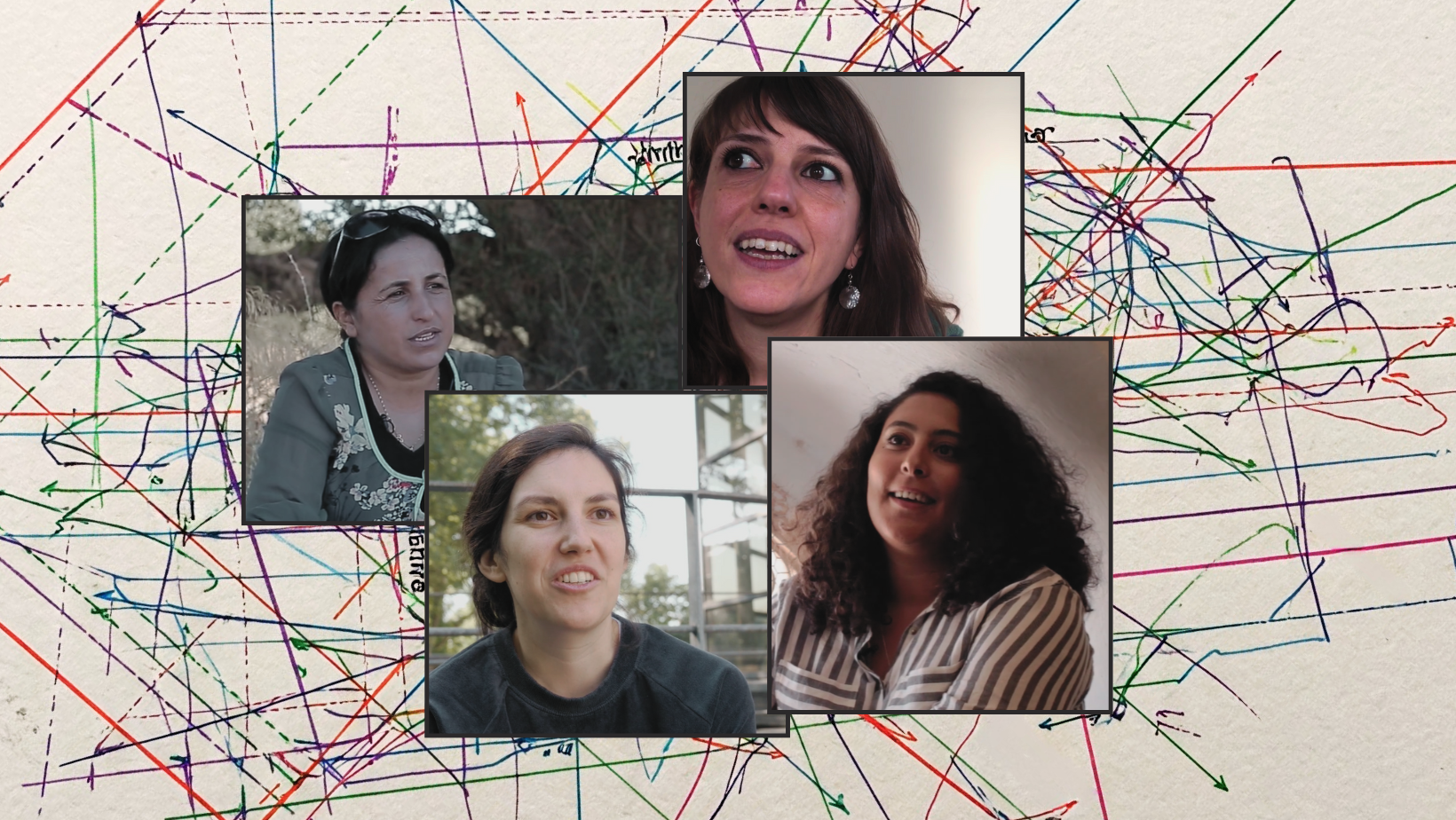
Let’s start with two testimonies made for the Mediterranean Women’s Archive project with the contribution of Mediterranean Women’s Fund – Fonds pour le femmes en Méditerranée:
Hayet: “Lunàdigas are a woman and a half”
Hayet hosts Lunàdigas in the shade of an olive tree, a charitable symbol of her region in Tunisia and the meeting place of her association Sidi Bouzaintoun. In her testimony, Hayet recounts her journey as a woman who freely chose, and with the support of family members, not to have children and to devote herself to protecting the large trees in her area. Although the topic of non-motherhood is always taboo, in her area, in Ghardimaou, women move with greater freedom than in Jendouba. For her grandmother, Lunàdigas women are courageous women: “nisaa w nouss” meaning “a woman and a half.”
Fida: “In Tunisia, we women must reconcile with our bodies and free ourselves from taboos”
Fida, a young Tunisian human rights activist, offers her testimony to Lunàdigas: despite the social pressures and judgements she has suffered, Fida has realised that she does not want children and that she wants to protect the right to freedom of choice over her own body for herself and for all women in Tunisia. This is a long and complex social journey in which many taboos and prejudices will have to be overcome. Fida testifies to the derogatory use of the word bayra used for childfree women and the shame and embarrassment experienced by women in Tunisia when talking about menstruation.
We continue to explore the new entries in the Live Archive with two other international testimonials:
Ines: “A few years ago, I decided not to want children”
Ines is a young German feminist with very clear ideas: in her testimony, she expresses the reasons that led her to make the choice of not having children and discusses important issues such as overcoming the romantic view on childbirth, the possibility of acting motherhood outside of biological functions and the racist matrix of the pronatalist propaganda of the far-right parties in Germany.
María José: “I decided to have a daughter in order to experience also that part of life”
María José, a forty-something born in Spain, reflects upon her desire for motherhood and the possibility of balancing it with her work-life: the experience of pregnancy and the comparison between cultures – Anglosaxon and Latin – show how difficult it is to overcome some of the taboos that force women to choose between family and career.
👉 Write to us at info@lunadigas.com to tell us what you think, or join us on all our social channels to discuss it together!
