

News of march
March opens with something we really cherish: the publication of the “Succinct (n.t. and revealing) Glossaries of the body, relationships and desires” – Succinti glossari del corpo, delle relazioni e dei desideri.
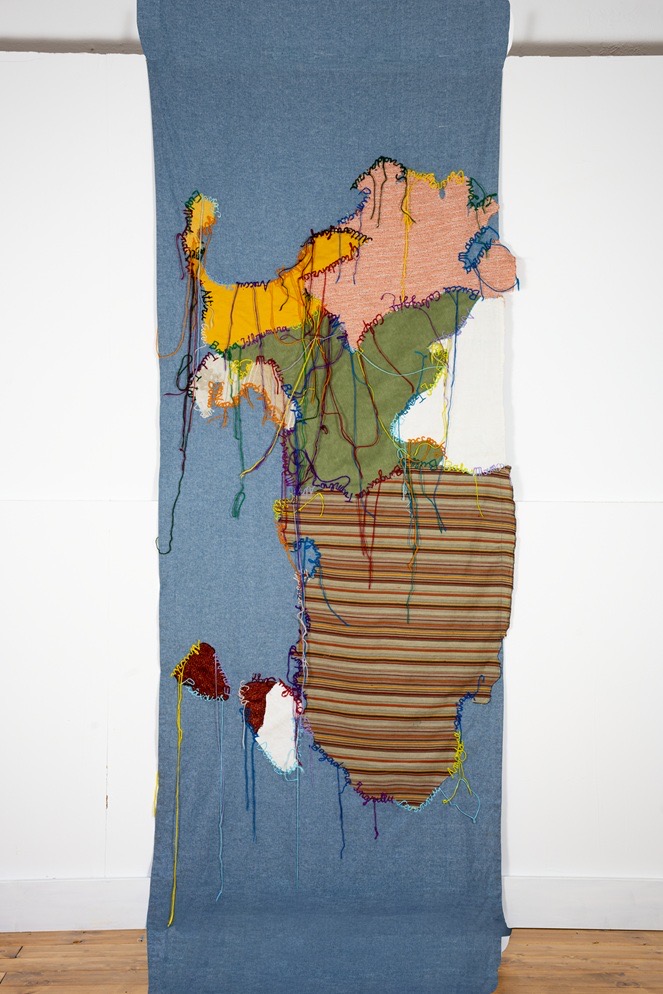
It is a linguistic and cultural research project that collects about two hundred words dedicated to intimacy, bodies and relationships, translated into the alloglot languages of Sardinia. A work that stems from the desire to interrogate the language with which we tell stories and the world we inhabit: the words with which we name desire, bonding, ties, identity. The glossaries will be presented on 14 March at 5.30 pm at QUELLE, the Lunàdigas space in Rome.
Alongside this new stage of our journey, we continue the work of Annotu, the project that collects testimonies on parenthood in the different linguistic variants of Sardinia.
Made with the support of the Fondazione di Sardegna, Annotu was born from the desire to listen to and guard stories that speak of motherhood, fatherhood, personal freedom and social expectations in the language in which these experiences take shape.
The voices we share come from different places and walks of life, but they all have in common the act of telling their stories in their own language.
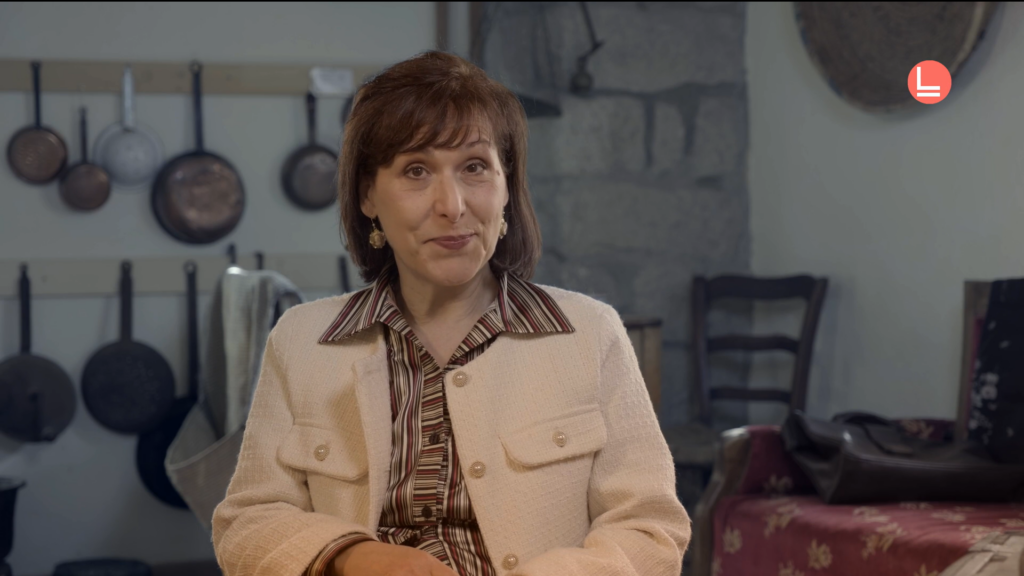
Maria Antonietta ha scelto di non avere figli perché sente che la maternità richiede una dedizione totale incompatibile con la sua vita piena di passioni e attività. Rivendica un modo diverso di esprimere cura e responsabilità, senza ridurre il valore di una donna alla maternità.
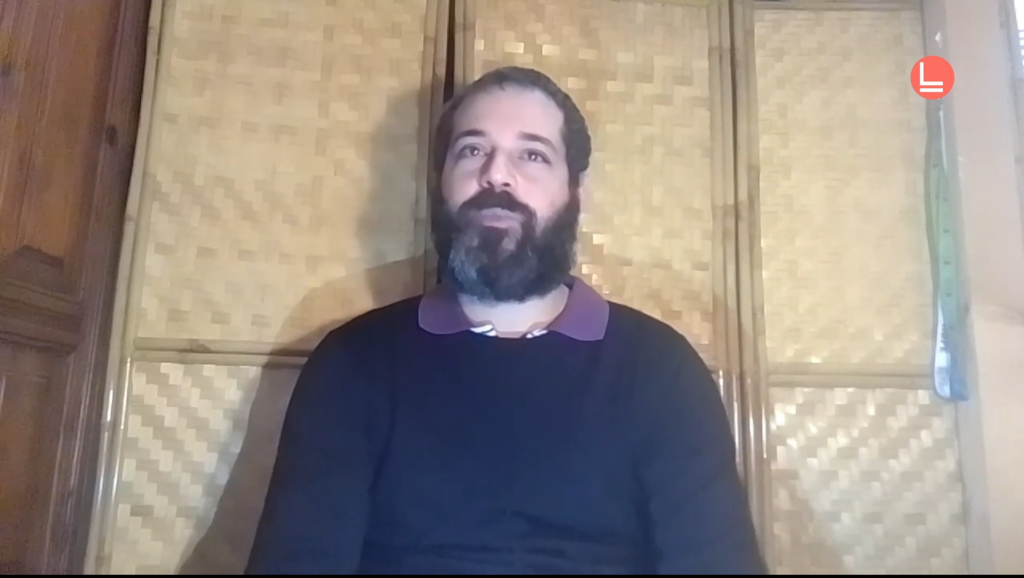
Ànghelu – “Are we sure that having children is the way to change things?’”
Ànghelu racconta in lingua logudorese che la genitorialità, per lui, non è un obbligo né un traguardo automatico, ma dovrebbe nascere come compimento di un amore condiviso. Riflette sul senso sociale e culturale del fare figli e sostiene che esistano molti modi per creare legami e dare significato alla propria vita, oltre alla paternità biologica.
👉 discover all the Annotu’s testimonials here
In this month’s Stories, we propose “Ritratti di ombre” by Claudia Mandas, reviewed by Claudia Mazzilli.
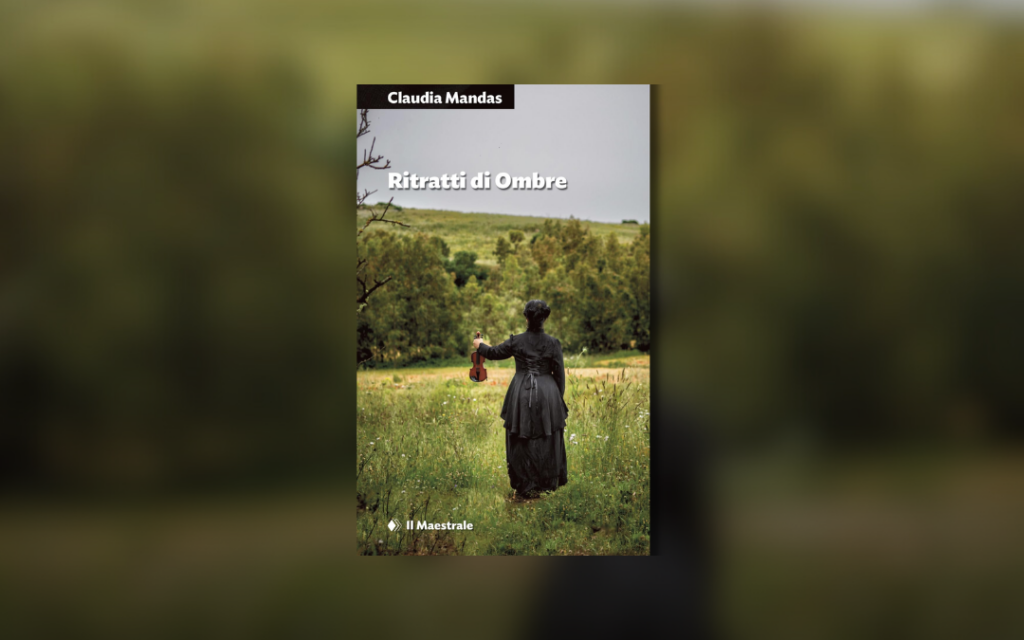
In this collection of short stories, inspired by the atmospheres of the Bonaria Monumental Cemetery in Cagliari, Claudia Mandas invites us to look at life and death from a different perspective. Thus, the author, who proudly defines herself as a lunàdiga, also challenges the idea that the continuity of life necessarily passes through children.
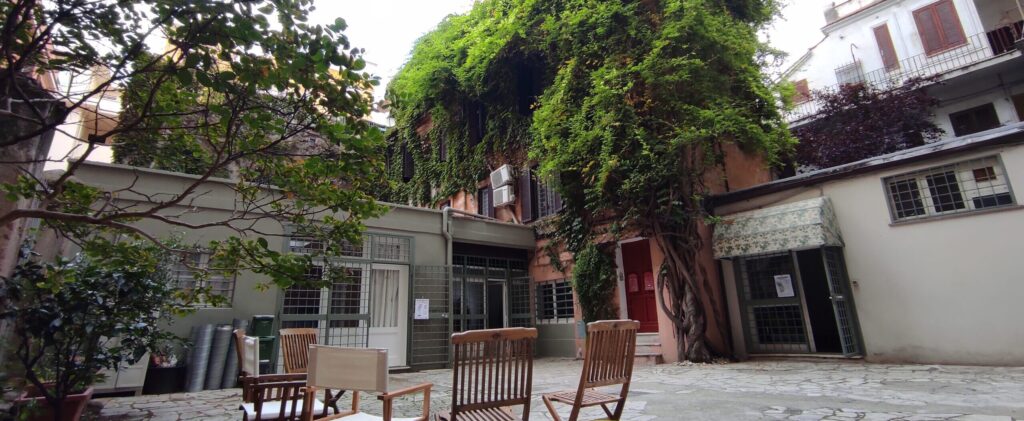
In March, our space in San Lorenzo hosts two events.
8 March · 12 noon
Before taking to the streets with Non Una Di Meno, we will meet for the Concert for two harps and voice with Maria Rosa Fogagnolo (harp), Nazarena Recchia (harp) and Laura Cannelli (voice).
Let us begin the day together in the collective care that is music, to transform energy into presence and remind ourselves that our struggle also involves relationships, recognising ourselves as sisters among sisters.
March 14 · 5.30 pm
We will publicly present the “Succinct Glossaries of the Body, Relationships, and Desires.”
Followed by Colours in Art, the first lesson on colours by Paola Bassetti. We’ll start with red.
See you at QUELLE, in via dei Piceni 9/A, in the heart of San Lorenzo in Rome, to listen to music, talk about words, bodies and desires and continue to practice freedom together.
